Robotic Fabrication
Advanced seminars exploring how industrial robots can be used as design and fabrication tools for architecture.
Courses included
- Stack Lamination: Exploring the Intersection of Subtractive and Additive Manufacturing Master in Robotics and Advanced Construction, IAAC Barcelona / 2023 / One-week intensive workshop
- Introduction to Robotic Fabrication Seminar: Segmented Shell Structures with Cork Panels Master in Advanced Architecture, IAAC Barcelona / 2024 / One-week intensive
- Introduction to Robotic Fabrication: Exploring Possible Applications of Robotic Fabrication for Architecture Master in Advanced Architecture, IAAC Barcelona / 2025 / Intensive seminar
- Robotic Fabrication Seminar MAA02 + MRAC02, IAAC Barcelona / 2023-2024 / Seminar and fabrication development
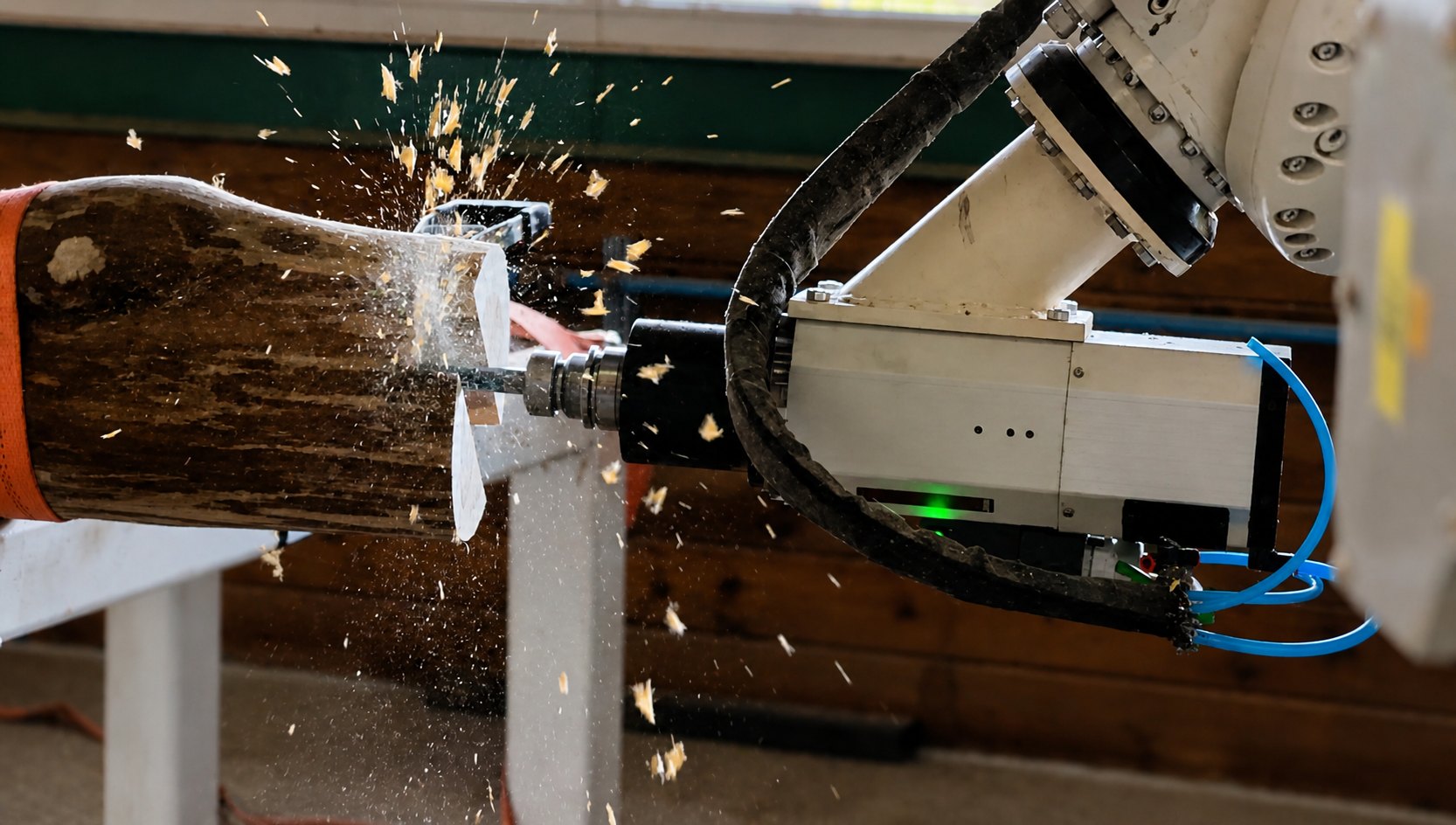
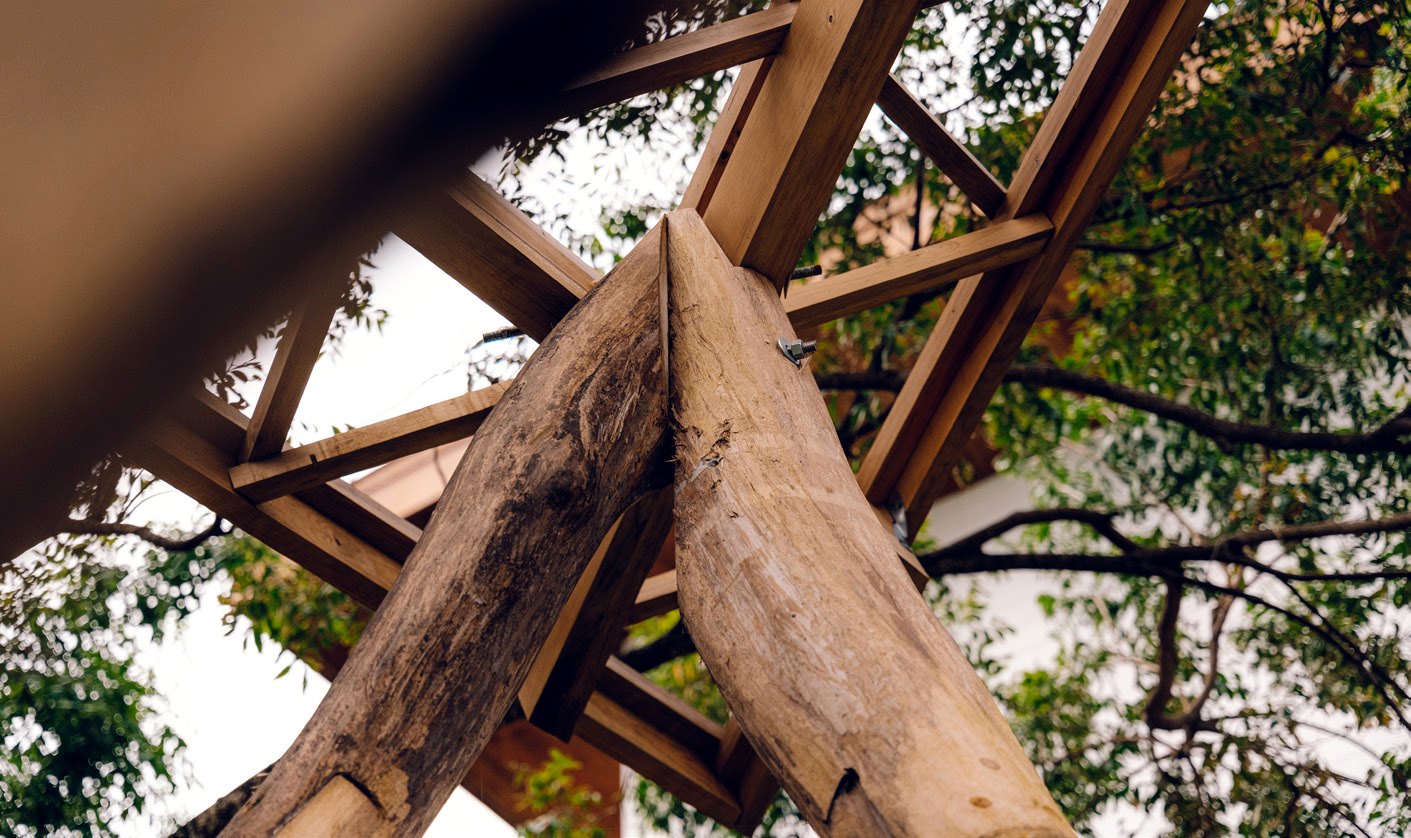
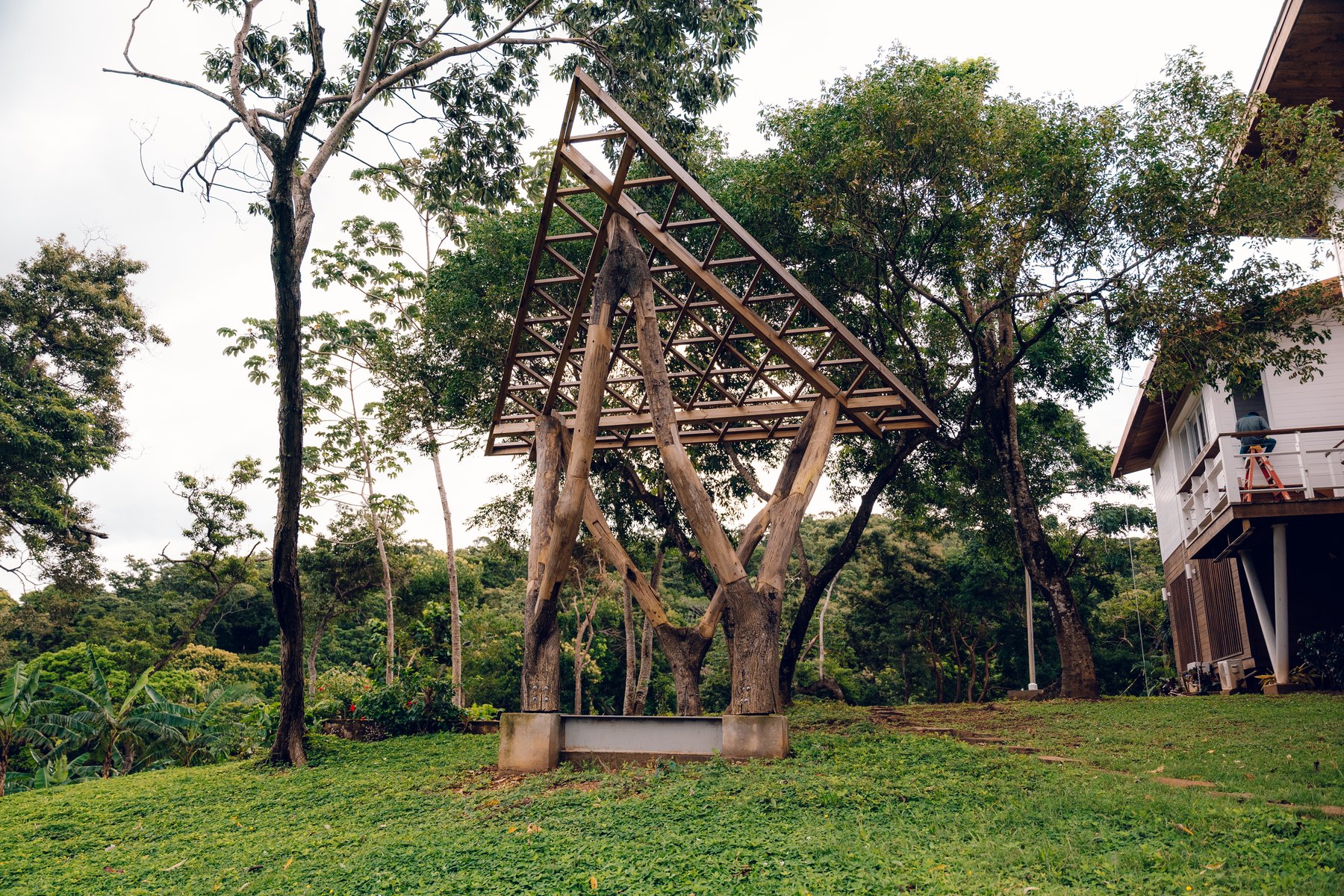
- Robotic Fabrication Summer Workshop in Roatan, Honduras: Digital Possibilities on an Island IAAC + The Circular Factory + Prospera, Honduras / 2023 / Two-week intensive workshop
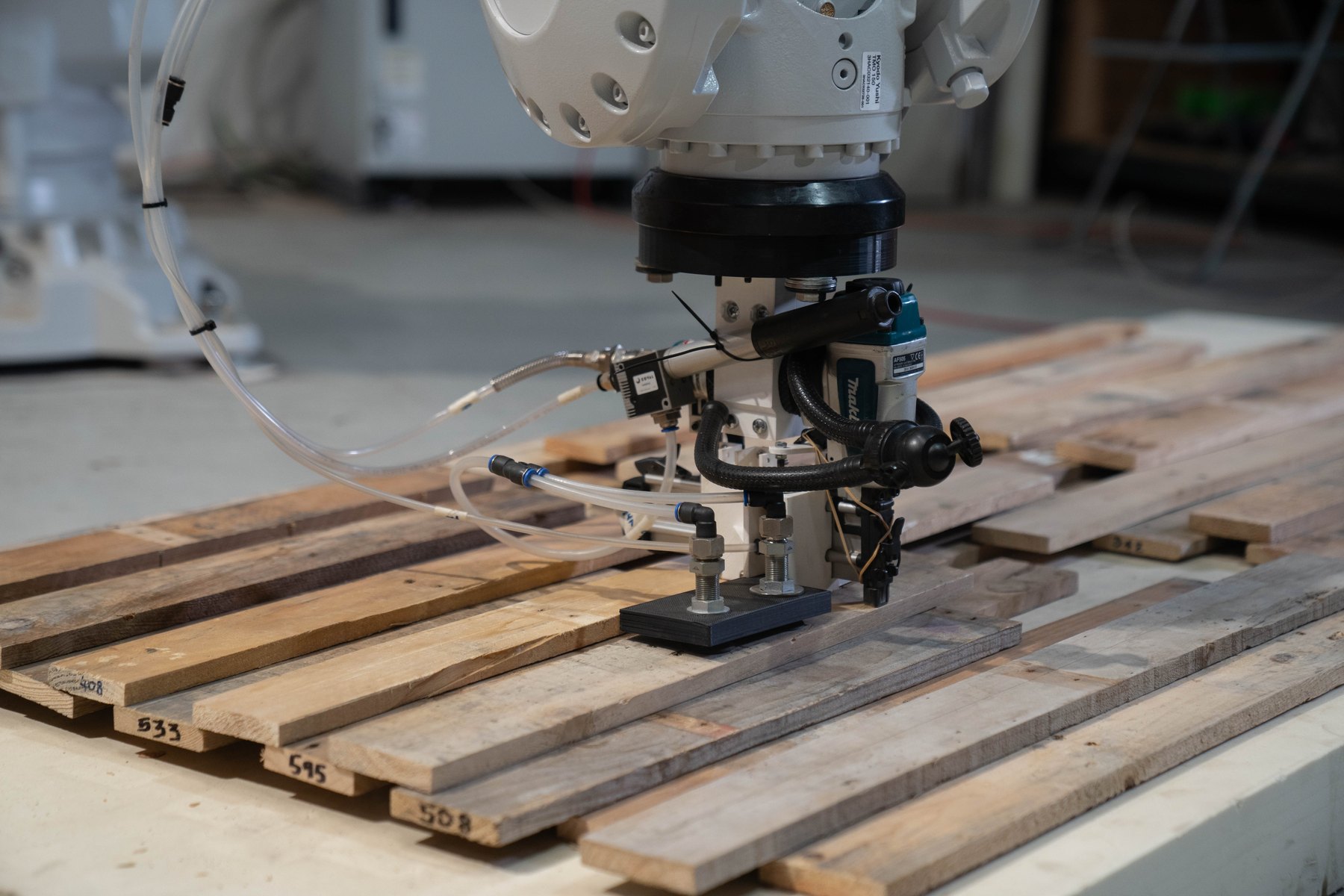
- Robotic Fabrication: Upcycling Wood Through Digital Craftsmanship and Circular Design MAA02 + MRAC02 + MAEBB02, IAAC Barcelona / 2024-2025 / Two-semester seminar
Keywords
Robotic fabrication, robotic milling, pick-and-place, part-to-tool workflows, material scanning, circular timber, robotic assembly.
Overview
These seminars explore robotics as part of a new culture of architectural production.
Robots are introduced as tools to rethink how we design, use materials and build.
Hybrid Fabrication Workflows
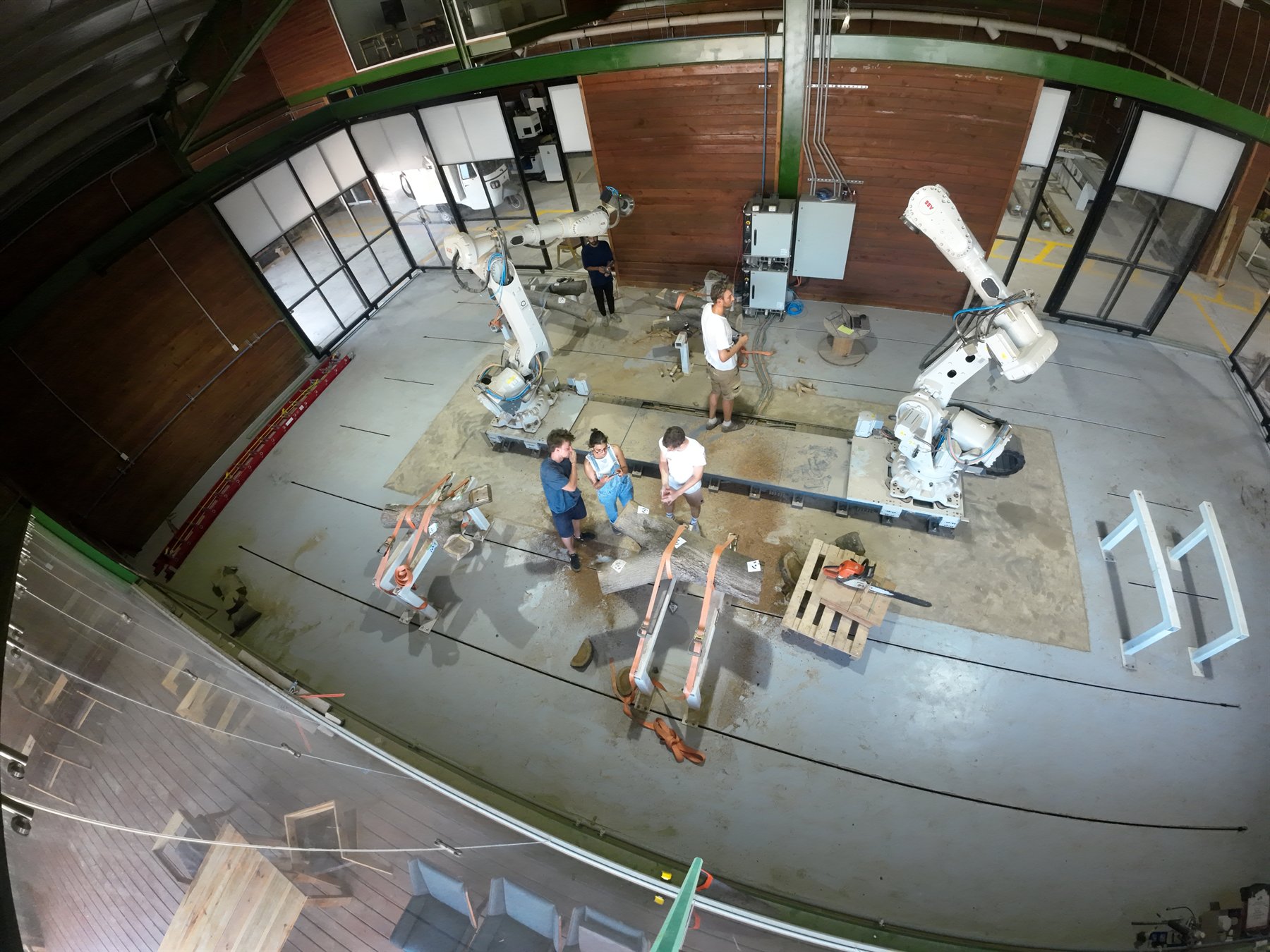
Robotic fabrication is presented as a sequence of connected operations, not as a single automated task. Students learn how digital design, material preparation, machining, assembly and finishing influence each other.
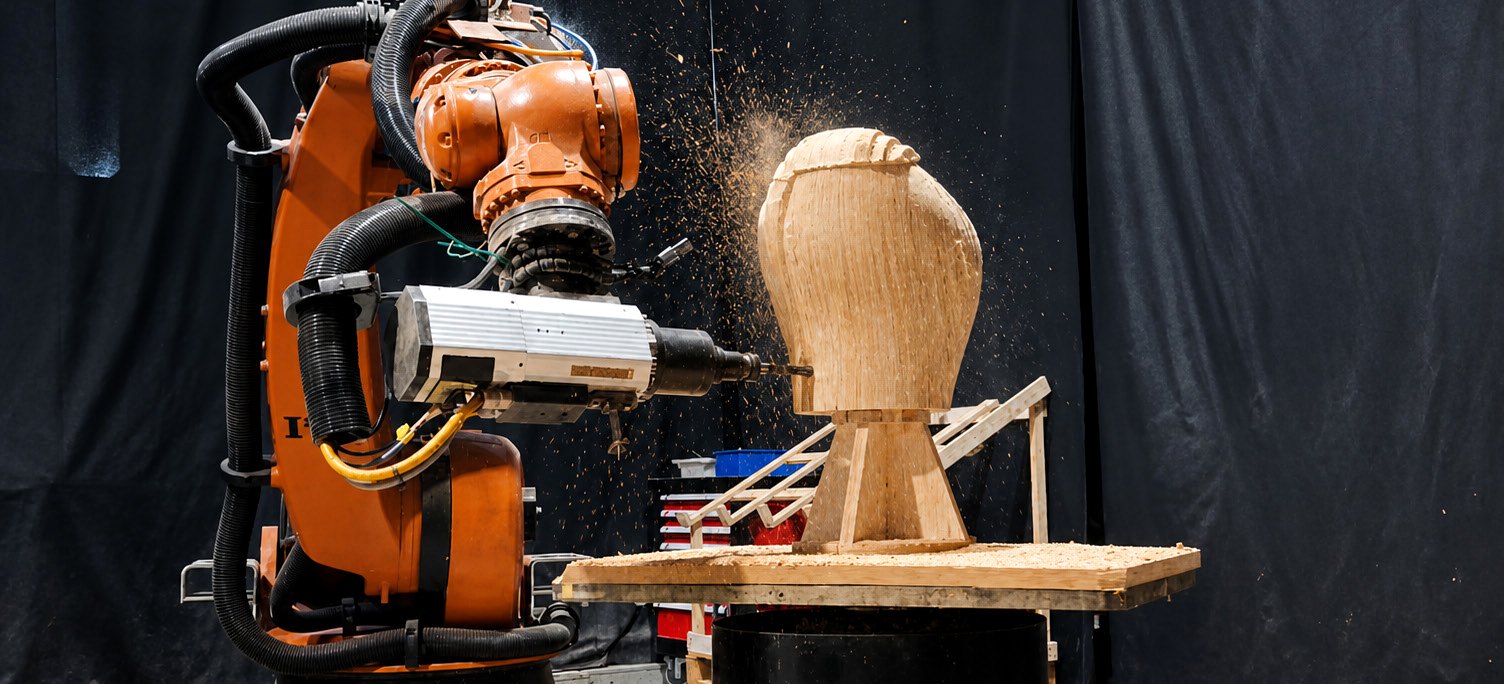
Segmented Shells and Robotic Assembly
Complex forms are broken down into smaller parts that can be fabricated, handled and assembled. The focus is on making architectural systems buildable through clear geometry and construction logic.
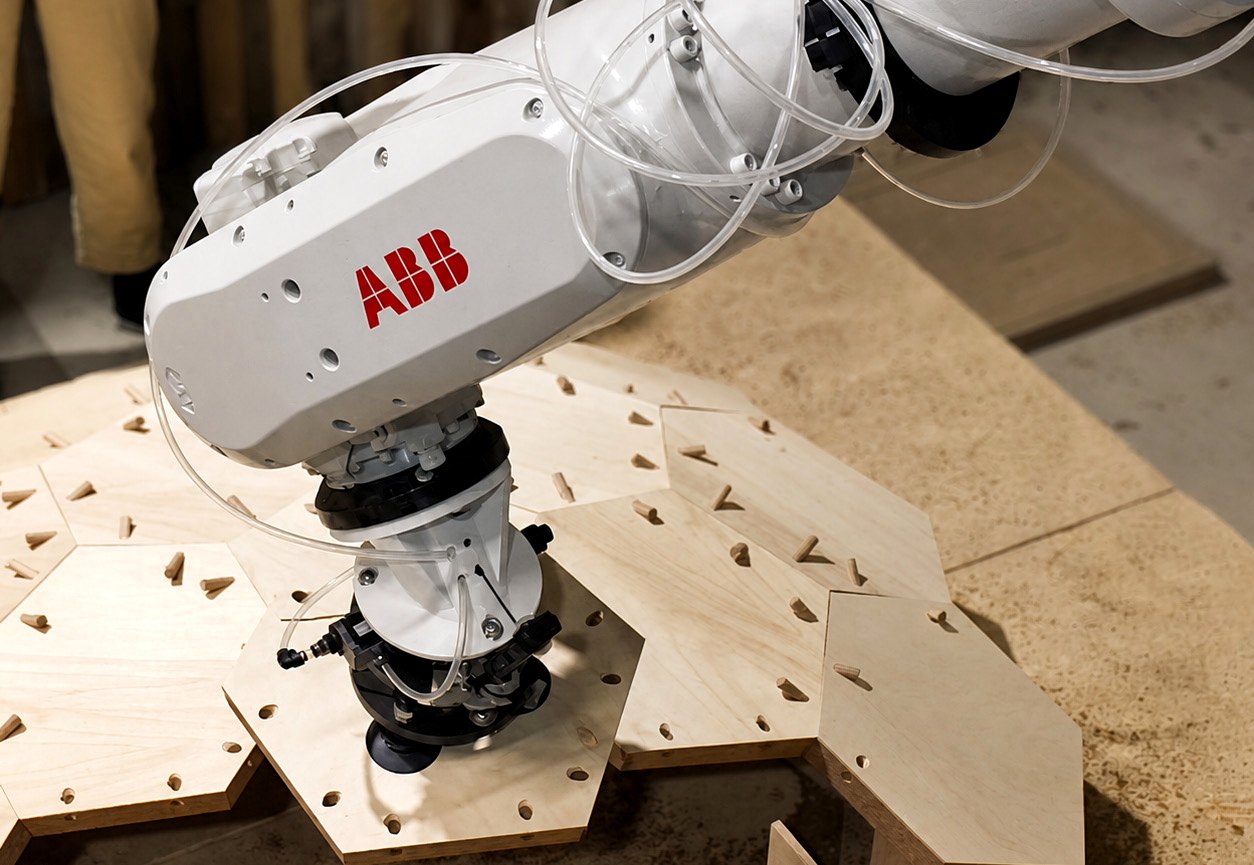
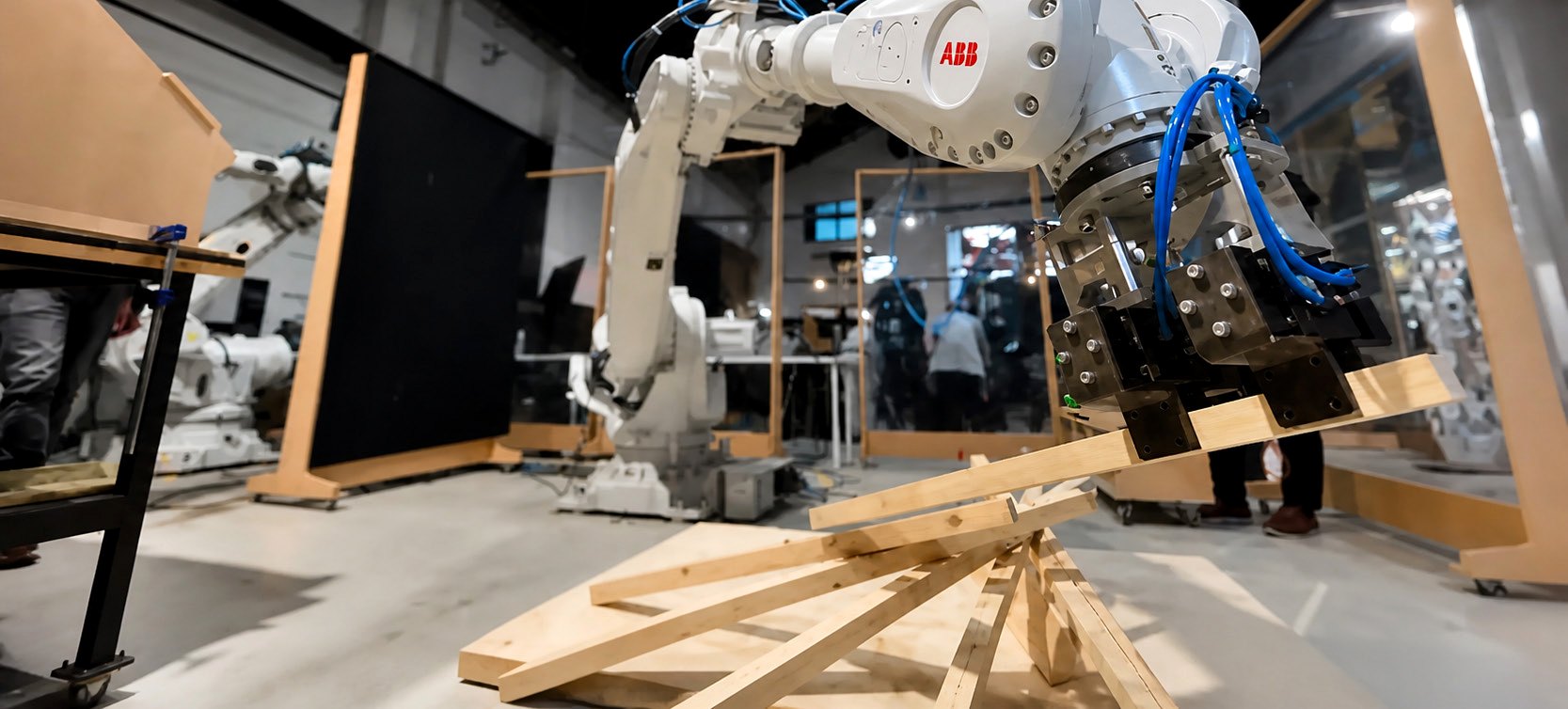
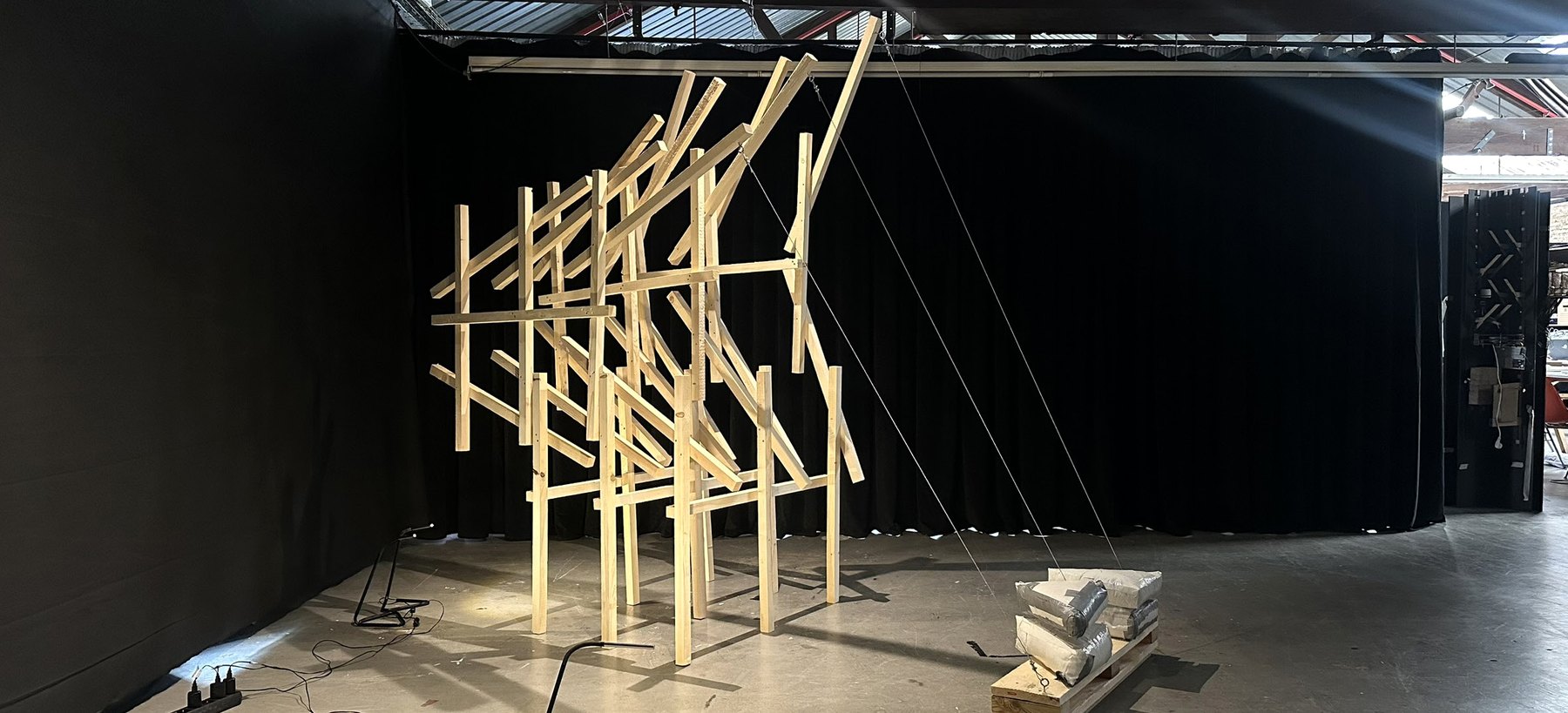
Pick-and-Place as Spatial Design
Pick-and-place exercises turn assembly into a design problem. Students explore how sequence, orientation and fixing methods shape the final spatial result.
Material Intelligence and Circular Construction
Reclaimed and irregular materials are treated as design resources rather than waste. Robotic workflows help read, organise and transform them into new construction possibilities.
Technology and Craft
Advanced technologies are most powerful when they respond to real materials, people and places.
The seminars explore how computation and robotics can support local resources, craft knowledge and new forms of architectural production.